You can fall in love with Savannah in a single walk under the live oaks. Owning a historic home here feels like stepping into a story. But before you buy, you need clarity on approvals, condition, flood risk, and how heritage features affect value. This guide breaks down what to expect in 31401 so you can purchase with confidence and preserve what makes your home special. Let’s dive in.
Why Savannah’s historic homes stand out
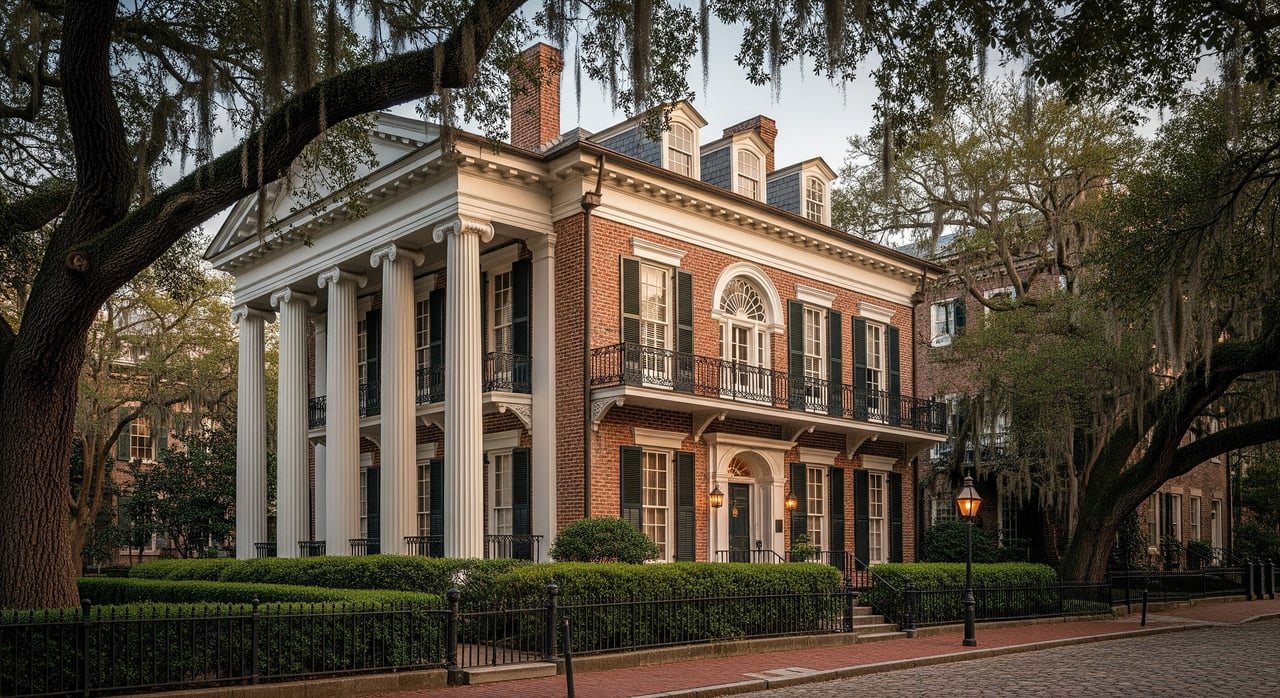
Savannah’s core blends 18th-, 19th-, and early 20th-century architecture, set within the famous plan of squares, lanes, and alleys. You will see Georgian, Federal, Greek Revival, Regency and Italianate, and Victorian influences, plus later revival styles. Many homes line narrow lots, with porches that face green squares and brick lanes.
Character details are part of the appeal. Think raised or English basements, tall ceilings, heart pine floors, original staircases, mantels, plaster moldings, transom windows, and classical porch columns. You may also find historic outbuildings or a carriage house. These features shape daily life and often contribute to market value.
Understand designations and rules
Savannah’s historic environment has overlapping layers of recognition and regulation. Knowing the difference helps you plan projects and timelines.
National vs. local designation
A listing in the National Register of Historic Places or recognition within the Savannah National Historic Landmark District acknowledges a property’s significance. It can unlock certain incentives for qualified projects. Federal listing alone does not stop a private owner from altering a property.
Local designation is different. Properties within a City of Savannah local historic district are subject to design review for visible exterior work. The Historic District Board of Review (HDBR), supported by City preservation staff, reviews changes and issues approvals called Certificates of Appropriateness.
What triggers design review
Expect review for exterior changes visible from a public right of way. Common examples include:
- Façade work, additions, porches, chimneys, and roofs
- Window and door changes on visible elevations
- Masonry repointing and materials changes
- Fences, signage, and some paint color choices depending on district rules
- Placement of mechanical equipment, satellite dishes, solar panels, and storm windows
Demolition of contributing buildings faces a high bar and public review. It can be denied, conditioned, or deferred.
Timelines and process
You typically apply for approval before starting visible exterior work. Simple items may be approved by staff. Major projects go to the HDBR and require a hearing. Depending on complexity, plan for a few weeks to several months. Pre-application meetings are common and helpful, and you will likely need drawings, materials samples, and historic documentation.
Who to contact early
- City of Savannah Planning Department, Historic Preservation staff
- Savannah Historic District Board of Review
- Savannah-Chatham Metropolitan Planning Commission for broader zoning and permits
- Historic Savannah Foundation for local context and rehabilitation guidance
What to look for during due diligence
Historic homes reward careful inspections. Bring in specialists who understand older materials and systems.
Inspections to schedule
- A comprehensive home inspection by an inspector experienced with older and historic structures
- A structural engineer review for foundations, piers, masonry movement, and framing
- A preservation-focused contractor or carpenter for repair scopes and cost ranges
- A termite and wood-destroying organism inspection
- Environmental testing for lead-based paint and asbestos if you plan to disturb older materials
- A flood risk assessment with FEMA zone verification and an elevation certificate if needed
Common issues in 31401 homes
Moisture is the recurring theme. Expect to check for rising damp, high humidity, roof leaks, and corroded flashing. Wood rot in porch framing, sills, and hidden areas is common. Pier foundations can settle, and unreinforced masonry may show lateral movement or cracks. Many homes still have outdated systems, like knob-and-tube wiring or galvanized plumbing. Historic windows often need repair rather than replacement, and improper masonry repointing with hard mortar can damage older brick.
Flood and insurance checks
Parts of 31401 fall within FEMA Special Flood Hazard Areas in Zones A or AE, which can trigger flood insurance requirements for financed purchases. Historic homes may also need specialized insurance or endorsements to cover historic materials and higher rebuild costs. Confirm coverage limits, exclusions, and any mitigation steps insurers recommend.
Renovations and approvals
If you plan to renovate, align early with the City’s preservation staff and the HDBR process. Visible exterior work typically requires a Certificate of Appropriateness. Even small-sounding changes, like a roof material switch, a new dormer, or visible window replacements, can need review.
Build in time for design, documentation, and review cycles. Pre-application consultations help you choose appropriate materials and methods. If you are considering demolition of a contributing structure, know that it is heavily scrutinized and may not be approved. Document existing conditions, photograph character-defining features, and keep records of any permitted work. This documentation helps with future valuations and resale.
Financing, incentives, and taxes
Most buyers use standard mortgage products, but the condition of a historic property can influence appraisals and underwriting timelines. If you plan to restore or update systems, ask lenders about renovation options such as FHA 203(k) or Fannie Mae Homestyle loans. Program eligibility varies by lender, occupancy type, and scope.
Federal Historic Rehabilitation Tax Credits can be powerful, but they apply to income-producing historic buildings, not owner-occupied single-family homes. State and local incentives are jurisdiction-specific. In Georgia, confirm options with the state’s Historic Preservation Division and local taxing authorities. Some properties may have preservation easements held by a nonprofit, which permanently restrict certain changes and carry tax implications. Always review easements or covenants as part of due diligence.
Valuation and resale for heritage properties
Heritage features and high integrity often command a premium among buyers who value authenticity. Original woodwork, intact façades, and documented restorations can make a listing stand out. At the same time, regulations and higher maintenance expectations can narrow the buyer pool for those who want heavy alterations.
Appraisers typically prioritize comparable sales within the same district because local designation affects marketability and value. Keep organized records of improvements, permitted work, and contractor warranties. Documentation strengthens appraisals and buyer confidence.
Ownership expectations and stewardship
Plan for a higher maintenance budget than a comparable newer home. Restoration-grade materials and specialized labor cost more, and moisture management is ongoing in coastal environments. Build a rhythm of seasonal checks for roofs, gutters, site drainage, and masonry.
Historic homes often reward long-term owners who value character and are comfortable with a measured pace of projects. Many owners engage with local preservation organizations and neighborhood groups, and you should expect public processes for visible changes.
Neighborhood context and lifestyle factors
Where you buy within 31401 matters for daily experience and resale. Proximity to the river, Forsyth Park, the squares, and commercial corridors influences walkability, noise, parking pressure, and short-term rental activity, which can vary by block. Flood and drainage risk tends to rise closer to low-lying areas and the riverfront. Review local rules on short-term rentals and verify how zoning and overlays affect your intended use.
Smart buying checklist
Use this quick framework to approach offers and due diligence with confidence.
Before you write an offer
- Review local district status and any preservation easements or covenants on the property.
- Walk the block at different times to gauge noise, parking, and traffic.
- Flag visible exterior items that may require design review if you plan to change them.
During contract contingencies
- Schedule specialized inspections, including structural, pest, and environmental testing as needed.
- Obtain a flood zone determination and an elevation certificate if required by your lender or insurer.
- Meet or consult with City preservation staff to confirm what work needs approval and the likely process.
- Request prior permits, plans, contractor warranties, and a maintenance history from the seller.
- Ask lenders about renovation loan options and underwriting timelines for older homes.
Before closing
- Confirm insurance quotes, including flood and any historic materials coverage endorsements.
- Document key features with photos and measurements before any move or work begins.
- Set a first-year maintenance plan and budget with prioritized projects.
Ready to move forward?
If you love the idea of an authentic Savannah residence and want a clear plan for purchase, approvals, and resale, you do not have to navigate it alone. Partner with an advisor who understands how heritage, design review, and investment goals come together. Connect with Signature Collective to discuss your goals and craft a concierge buying strategy that fits your timeline and vision.
FAQs
What approvals do I need to replace windows on a Savannah historic home?
- Visible window changes in a local historic district usually require design review and a Certificate of Appropriateness. Consult City preservation staff to confirm scope and standards.
Do federal historic listings limit what I can do to my house?
- Federal listing recognizes significance and can enable incentives, but it does not by itself restrict a private owner’s changes. Local district rules are what typically govern exterior work.
Can I change my paint color in 31401 without permission?
- It depends on district rules and visibility. Some paint color changes can be subject to review. Confirm requirements with City preservation staff before painting.
Are there tax credits for restoring an owner-occupied historic home in Georgia?
- Federal historic tax credits apply to income-producing properties, not owner-occupied single-family homes. State or local incentives vary, so verify options with Georgia’s Historic Preservation Division and local tax authorities.
Will I need flood insurance for a home near the river in 31401?
- If the property is in a FEMA Special Flood Hazard Area and you have a mortgage, flood insurance is typically required. Confirm the zone and get quotes early in due diligence.
What loan options exist if the home needs major repairs?
- Standard mortgages are common, and some buyers use renovation loans such as FHA 203(k) or Fannie Mae Homestyle. Eligibility depends on occupancy, scope, and lender participation.